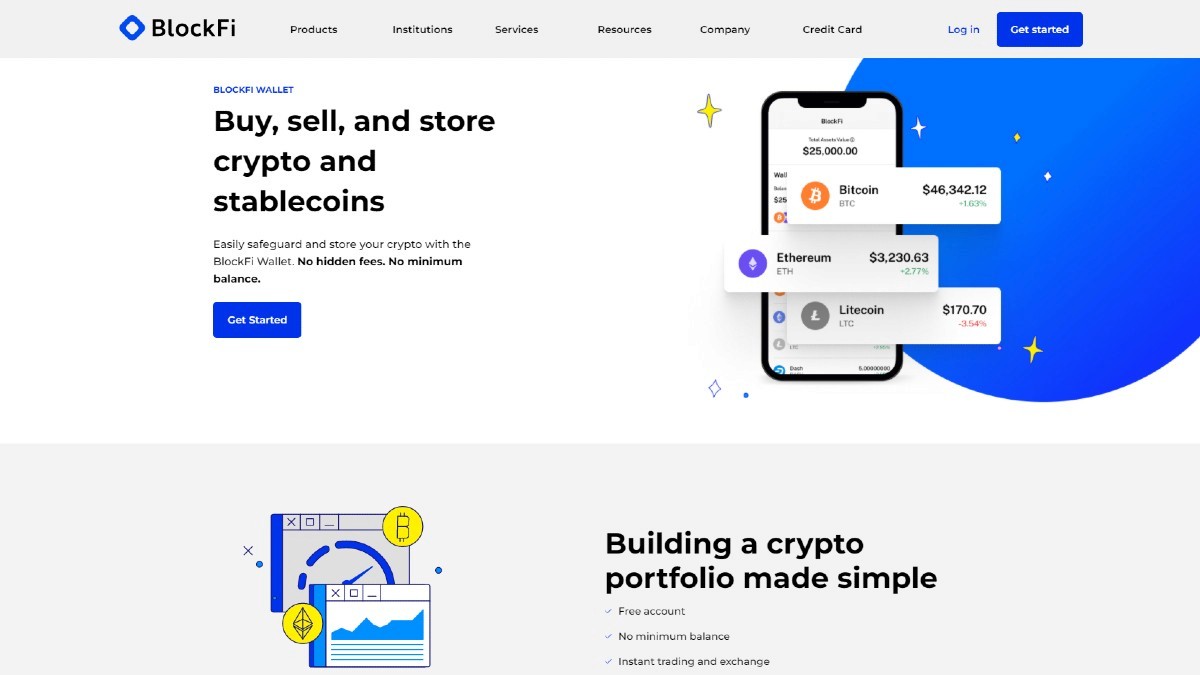
BlockFi Login — Everything You Should Know to Access Your Crypto Account Securely
In the fast-moving world of cryptocurrency finance, logging into your account may seem trivial — but with a platform like BlockFi, where real assets and sensitive data are at stake, doing it the right way is crucial. Whether you use BlockFi to earn interest, borrow against crypto, or trade assets, having a secure and smooth login process can make a big difference. This guide walks you through what BlockFi login used to be, how the login process worked, and — given BlockFi’s recent history — what you should know before ever entering your login credentials.
What Is BlockFi — and What Does “Login” Mean for It
BlockFi was a crypto-finance platform offering services like interest‑bearing accounts, crypto‑backed loans, and trades. For users, “logging in to BlockFi” meant access to a dashboard containing their crypto balances, accruals, loan details, transaction history, and other account features.
Coinane
+2
CoinStats
+2
From a technical perspective, a BlockFi login required:
A registered email and password
Account identity verification (KYC/AML, for certain services)
official-blockfii-en-us.pages.dev
+1
Optional / recommended security features like Two‑Factor Authentication (2FA) to protect access
block-fi-doc.pages.dev
+1
However — it is important to note that as of 2024, BlockFi’s web platform has undergone major changes. According to community reports, the platform announced a shutdown of its primary web services by May 31, 2024, with instructions for users to withdraw or follow restructuring/claims procedures.
+2
+2
Given this context, “BlockFi login” no longer means the same thing for many users — but understanding how it worked and what to watch out for remains relevant, especially for people managing historical withdrawals or claims.
How BlockFi Login Worked — Step‑by‑Step (Pre‑Shutdown)
Here’s how logging in to BlockFi typically worked, for those who used the platform while it was active or during its wind‑down process.
Visit the Official Website or Mobile App
The user navigated to BlockFi’s official domain (e.g. blockfi.com) or used the legitimate mobile application. Always ensuring you’re on the correct URL was (and remains) critical to avoid phishing or spoofed sites.
blockfi-login.daftpage.com
+2
my-secure-blckf-com.typedream.app
+2
Click the “Login” Button
On the homepage or the app landing page, a “Log In” / “Sign In” button took the user to the secure login form.
block-fi-doc.pages.dev
+1
Enter Registered Email & Password
Users entered their registered email and password (set during account creation) to authenticate. The password was expected to be strong — ideally a mix of uppercase, lowercase letters, numbers, and special characters.
home-blockyfi.pages.dev
+1
Complete Two‑Factor Authentication (2FA)
If enabled (strongly recommended), after submitting credentials, users were prompted to enter a time‑based one‑time password (TOTP) from an authenticator app (e.g. Google Authenticator or Authy). This step provided an extra security layer beyond just password.
block-fi-doc.pages.dev
+2
gethuman.com
+2
Access Dashboard / Account Portal
Once logged in, users could access their balances, interest‑earning accounts, loan info, transaction history, trade or withdrawal options, and other services offered by BlockFi.
secure-blockfi-docs.github.io
+2
academyflex.com
+2
Optional: On mobile, the BlockFi app may support biometric login (fingerprint/FaceID) after initial authentication, for convenience — while maintaining security.
blocfe-manage-log.teachable.com
+1
Security Measures & Why They Mattered
Given that BlockFi handled significant amounts of crypto assets, security was a top priority. Some of the security features and best practices associated with BlockFi login included:
Encryption of Data: BlockFi employed strong encryption to protect data transmissions and stored user data securely.
gethuman.com
+1
Two‑Factor Authentication (2FA): As noted, 2FA provided a second layer of protection — even if someone got hold of your password, they still needed access to your authenticator device to log in.
block-fi-doc.pages.dev
+1
Custody & Cold Storage for Crypto Assets: BlockFi partnered with a reputable custodian (Gemini) to store most user assets in cold wallets (offline), reducing risk of hacks.
Coinane
+1
Withdrawal Whitelisting: Users could opt to whitelist certain withdrawal addresses, which meant funds could be sent only to pre-approved addresses — a helpful safeguard against unauthorized withdrawals.
Coinane
+1
Regular Security Audits and Controls: BlockFi reportedly maintained audit protocols, restricted internal access, and implemented rigorous security controls to protect both user data and funds.
Coinane
+1
These institutional-level protections — plus user best practices like strong passwords, enabling 2FA, using secure devices — combined to make BlockFi login reasonably secure when used properly.
Common Login Issues & Their Solutions
As with any platform, sometimes users ran into trouble logging in. Some common issues and fixes included:
Forgotten Password: BlockFi offered a “Forgot Password” recovery flow — users could request a password reset link sent to their registered email. Always ensure the email is from the legitimate BlockFi domain.
home-blockyfi.pages.dev
+1
2FA Device Lost or Reset: If a user lost access to their authenticator app or device, they needed backup codes (given during 2FA enrollment) to regain access. Without those, account recovery could become more complicated.
blocfe-manage-log.teachable.com
+1
Browser or Cache Issues: Sometimes, outdated browsers, corrupted cookies/cache, or browser extensions (e.g. aggressive ad-blockers) interfered with the login process. Clearing cache or trying a different browser often helped.
block-fi-doc.pages.dev
+1
Suspicious Login Attempts / Account Lockouts: After multiple failed login attempts, many platforms temporarily lock accounts to prevent brute-force attacks. Users in such cases had to wait or contact support to regain access securely.
blocfe-manage-log.teachable.com
+1
However — because of events in 2024 (see next section), many users today report that BlockFi login is disabled or not functioning as before.
+2
+2
What Changed: BlockFi Shutdown & What Login Means Now
It is important to highlight that the state of BlockFi has changed significantly. As per community reports shared on public forums:
The BlockFi web platform announced a full shutdown by May 31, 2024.
+1
After this date, users no longer can use BlockFi’s regular login portal to access accounts as before. The platform closed normal operations.
+1
BlockFi has reportedly partnered with another platform (Coinbase) / outside claim‑handling processes for eligible clients regarding withdrawals or distributions — but login via BlockFi’s old portal is not restored.
+1
Users needing transaction history, tax documents, or claims have been advised to log in before shutdown and download relevant data.
+2
+2
What this means: BlockFi login no longer guarantees access to crypto holdings or regular account features. Anyone looking to log in now should first confirm official announcements and instructions from BlockFi, including those from their claims agent or associated partner platforms.
⚠️ For those who still attempt to log in — it’s critical to be vigilant about phishing scams. Several users report fraudulent calls or emails impersonating BlockFi or its claims partners.
+1
If You Still Need to Access Your BlockFi Data — What to Do
If you previously had a BlockFi account and now want to retrieve historical data (transactions, tax forms, interest/loan history), here’s what experts recommend:
Check Official Communications: Look for emails from recognized domains like @blockfi.com, or from official claim agents referenced by BlockFi.
Use Secure Links Only: Do not click links received via unsolicited emails or third-party messages. Instead, navigate to known, bookmarked URLs or official announcements.
Download All Important Data Immediately: If the portal is still accessible for claims or distribution, download everything (transaction history, tax forms, loan/withdrawal records, etc.) before it’s too late.
Beware of Fake Sites / Phishing Attempts: Some scammers use domains mimicking BlockFi (e.g. slight misspellings, extra hyphens) to trick users — always double-check carefully.
Lessons & Best Practices: What BlockFi Login Tells Us About Crypto Risks
Even beyond BlockFi’s specific story, the rise and shutdown of a major crypto platform offers several lessons for all crypto users — particularly about login, custody, and platform risk:
Crypto Platforms Can Collapse — Control Matters: Relying on any third‑party platform means some risk. If the platform shuts down or gets insolvent, you may lose access — so avoid keeping all your assets on a centralized platform.
Download & Backup Frequently: Maintain local copies of critical account data (transaction history, tax documents, records). This becomes important if a platform becomes unavailable.
Practice Strong Account Hygiene: Use unique passwords, enable 2FA, avoid repeated use of credentials across sites, never share login info — regardless of how “trusted” a platform may seem.
Be Skeptical of Outreach After Shutdown: When platforms collapse, scammers often exploit the chaos. Always verify legitimacy before clicking links or providing info.
Consider Self-Custody or Decentralized Options: For long‑term crypto holders, storing coins in a wallet with private key control — instead of leaving them on a platform — reduces counterparty risks.
Conclusion: What BlockFi Login Means Now — and What You Should Know
BlockFi login once provided a gateway to a wealth of crypto‑financial services: interest accounts, loans, trades, and crypto‑backed assets — all backed by institutional‑grade custody and security measures.
Coinane
+2
academyflex.com
+2
But due to major structural changes and a platform shutdown in 2024, the meaning of “login” has fundamentally changed. For many users, the old portal no longer provides access to funds or features. In fact, the focus has shifted to claims processing, withdrawal distribution, and legacy data retrieval.
If you once used BlockFi — or still have any hope of accessing your account — treat any login link or communication with extreme caution. Verify authenticity first. Download all important records immediately. And most importantly: treat the story of BlockFi as a reminder that self-custody, security awareness, and data backup remain the bedrock principles of responsible crypto management.