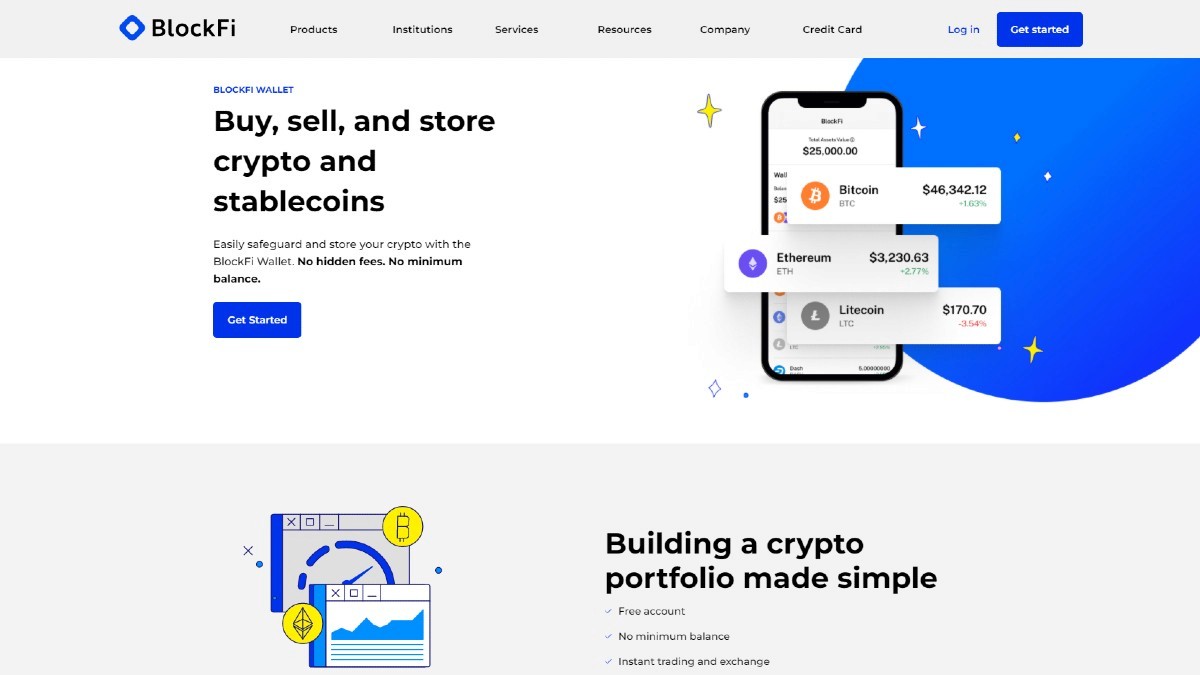
BlockFi Login: A Complete Guide to Securely Accessing Your Crypto Account
BlockFi emerged as one of the most prominent cryptocurrency financial platforms, offering interest-bearing accounts, crypto-backed loans, and trading services. For users, logging into BlockFi was the gateway to managing their digital assets, checking balances, initiating withdrawals, and tracking loans. While the platform has undergone major changes in recent years, understanding the BlockFi login process remains essential for former users and those navigating legacy accounts. This guide provides a detailed overview of how BlockFi login worked, security measures, common challenges, and best practices for managing your account safely.
Understanding BlockFi and Its Login System
A cryptocurrency wallet or platform login is not just about entering an email and password—it’s about securely authenticating your identity to access valuable digital assets. For BlockFi, the login system provided access to:
Crypto balances and account statements
Interest-earning accounts
Loan information and collateral management
Trading and withdrawal functionalities
BlockFi used standard authentication measures including email/password verification and optional two-factor authentication (2FA). These mechanisms were designed to protect user accounts against unauthorized access while maintaining ease of use.
How the BlockFi Login Process Worked
While active, logging into BlockFi followed a structured process that balanced security and accessibility:
Step 1: Navigate to the Official BlockFi Portal
Users began by visiting the official BlockFi website (blockfi.com) or the mobile application. Ensuring access through legitimate channels was critical to avoid phishing attacks, which are common in the cryptocurrency space.
Step 2: Enter Your Registered Email and Password
The login screen required your registered email and password. BlockFi recommended using strong, unique passwords with a mix of uppercase, lowercase, numbers, and symbols to prevent unauthorized access.
Step 3: Complete Two-Factor Authentication (Optional but Recommended)
For accounts with 2FA enabled, users had to enter a time-based one-time password (TOTP) generated by an authenticator app like Google Authenticator or Authy. This added a second layer of security beyond the basic password.
Step 4: Access Your Dashboard
Once authentication was successful, users could access their dashboard, which displayed balances, accrued interest, active loans, and transaction history. From this interface, users could initiate withdrawals, trade assets, or monitor staking rewards.
Step 5: Biometric Login (Optional)
For convenience, the mobile app supported biometric authentication (fingerprint or facial recognition) after the initial login, allowing users to securely access their account without repeatedly entering credentials.
Security Measures in BlockFi Login
Security was a central component of BlockFi’s login system. Key measures included:
Data Encryption: BlockFi encrypted sensitive information during transmission and storage to prevent unauthorized access.
Two-Factor Authentication (2FA): Added a critical layer of protection, requiring users to verify identity using a secondary device.
Withdrawal Whitelisting: Users could restrict withdrawals to pre-approved addresses, reducing the risk of stolen funds.
Institutional Custody: Most assets were held in cold storage via Gemini Custody, minimizing exposure to hacking threats.
Regular Security Audits: Internal and external audits ensured compliance with industry standards and reinforced account safety.
These measures, combined with user vigilance, significantly reduced the likelihood of unauthorized access.
Common Login Issues and How to Resolve Them
Users sometimes encountered login challenges. Here are the most frequent issues and recommended solutions:
Forgotten Password
BlockFi provided a “Forgot Password” feature to reset credentials. Users received a secure reset link via their registered email. It was critical to verify the email’s authenticity to avoid phishing scams.
Lost 2FA Device
If users lost access to their authenticator app or device, backup codes created during 2FA setup were essential for recovery. Without these codes, account recovery could be complex and time-consuming.
Browser or App Issues
Outdated browsers, corrupted cache, or interfering extensions could prevent successful login. Clearing cache, updating software, or using an alternative device often resolved these problems.
Suspicious Login Attempts
Multiple failed attempts could trigger temporary account lockouts. Users needed to follow official support channels to regain access safely.
Recent Changes and Impact on BlockFi Login
In 2024, BlockFi underwent significant restructuring. Reports indicate that the platform suspended regular operations and encouraged users to withdraw assets or engage with claims processes. As a result:
The standard login portal no longer grants access to full account functions.
Former users must follow official communications for claims or withdrawals.
Any emails, links, or messages regarding login should be carefully verified to avoid scams.
This context underscores the importance of vigilance and understanding platform changes before attempting to log in.
Best Practices for Safe BlockFi Login
Even with the platform in transition, maintaining good login security habits is essential:
Verify URLs and Sources: Always use official channels to access accounts and avoid clicking unknown links.
Use Strong Passwords: Unique, complex passwords reduce the risk of unauthorized access.
Enable 2FA: Two-factor authentication significantly increases account security.
Backup Credentials: Store passwords and backup codes securely offline.
Monitor for Suspicious Activity: Check for unusual login attempts or unexpected communications and report them immediately.
These best practices are applicable to all cryptocurrency platforms, not just BlockFi.
Managing Account Data Safely
For former BlockFi users, accessing historical data is critical for tax reporting, financial planning, and record-keeping:
Download Transaction Histories: Export statements before access is lost.
Save Interest and Loan Reports: Keep records of accrued interest and loan activity.
Secure Data Storage: Store all downloaded data in encrypted storage or offline backups.
By maintaining accurate records, users can protect themselves from future disputes or compliance issues.
Lessons from BlockFi Login for Crypto Users
BlockFi’s experience offers broader lessons about cryptocurrency security and platform reliance:
Self-Custody Matters: Relying solely on third-party platforms exposes users to operational or regulatory risks.
Regular Backups Are Essential: Maintaining local copies of transaction history and important documents ensures access even if a platform becomes inaccessible.
Stay Informed About Platform Changes: Follow official announcements to remain aware of operational changes, shutdowns, or claims processes.
Be Wary of Phishing Scams: Scammers exploit platform disruptions; always verify sources before taking action.
Consider Decentralized Alternatives: Wallets that provide private key control reduce dependency on centralized platforms.
Conclusion
BlockFi login was the key to managing digital assets securely, providing access to balances, loans, trading, and interest accrual. While the platform has undergone significant changes and full login functionality may no longer be available, the principles of secure login, two-factor authentication, and careful account management remain relevant. Former users must verify all communications, download essential data, and follow official guidance to safeguard their assets and records.
Ultimately, BlockFi’s journey highlights a vital lesson for all cryptocurrency users: control, security, and vigilance are essential for protecting digital assets. By applying these principles, users can navigate any platform safely, whether active or legacy, and maintain confidence in their crypto holdings.